So, if like me you are teaching some version of World History 2-Modern Boogalloo, you will probably want to talk about the early modern rise of the public sphere and talk about how it creates a space (physical, like a coffee or teahouse or more abstractly like cheap prints in the vernacular) where a new public can talk about scandal, politics, ethics and buying insurance. You may also want to talk about how this is not just something happening in Europe. How to do this? Fornication!
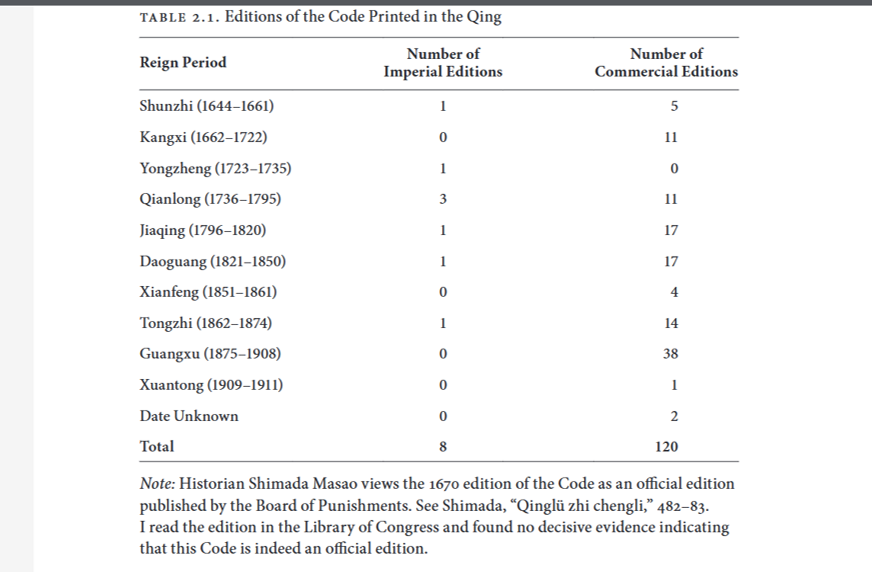
I assume you will talk a bit about how the spread of popular literacy happened first in East Asia. If you wanted to give a good example of the spread of knowledge about official matters you could draw on Zhang Ting. Circulating the Code: Print Media and Legal Knowledge in Qing China.1 which has a lot on the growing ease of getting a hold of copies of the Qing code, which were was increasingly being privately printed.2
Zhang also has plenty on the litigation handbooks that were being published in the Ming and after. Most notable is Thunder that Startles Heaven 驚天雷 , which went through many editions in the Qing. You can show them a page from it, and, if they are studying Chinese, discuss how crummy some popular prints were.3
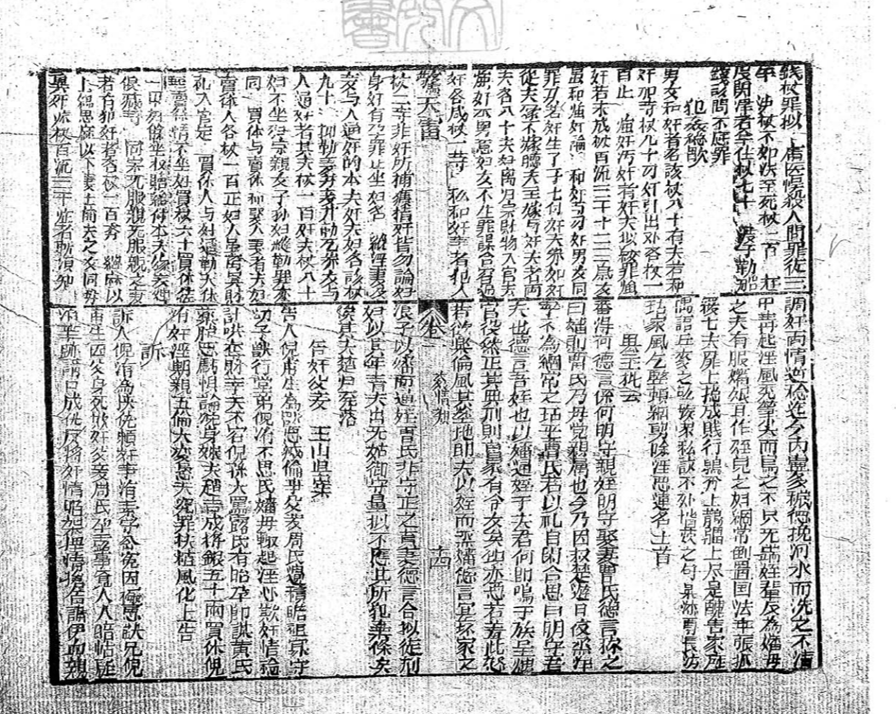
More importantly, thanks to Zhang Ting, you can talk about how the manuals popularized legal knowledge by, for example through question and answer sections and rhyming songs 歌訣 Here is an example that both explains Chinese law and ideas about behavior.
Fanjian zongkan ge 犯姦總括歌
Comprehensive Rhymed Song of [the laws relating to] Fornication
-Men and women committing fornication with consent, each shall be punished with eighty strokes of the heavy bamboo. Nannü hejian zhe, ge gai zhang bashi. 男女和姦者, 各該杖八十
-For a married woman committing fornication with consent, the punishment will be increased to ninety strokes of the heavy bamboo.
-For diaojian that seducing women to go outside [their home to fornicate], the punishment is one hundred strokes of the heavy bamboo.
-Rape tarnishes the woman’s reputation; the rapist shall be punished with strangulation.
-For attempted rape, the punishment shall be one hundred strokes of the heavy bamboo and exile to three thousand li.4
Besides getting them to memorize the song, you can talk about how this popularizes understandings of law. I suppose if this was a China class you could head off to talking about gender roles with Matthew Sommer5, or litigation experts with Melissa Macauley6
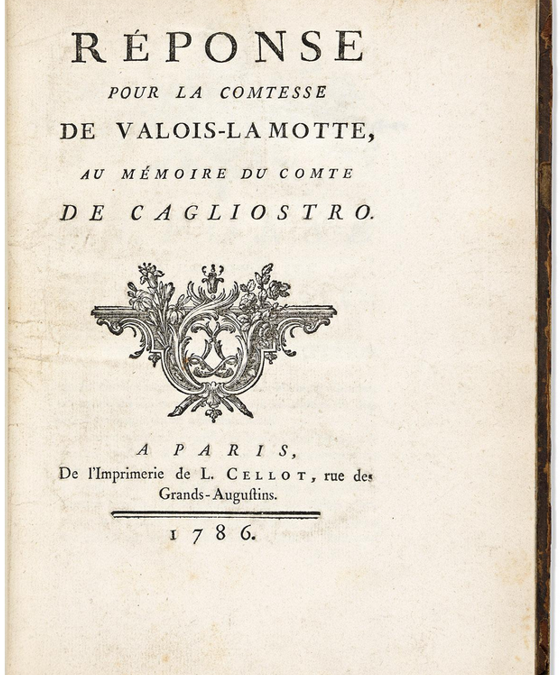
These are not really parallel cases, of course. The French stuff is studied in part because it leads into the de-legitimization of the French state. The Chinese stuff is not Causes Célèbres, although I suppose knowledge of the grubby nature of the law did not make the state look any better. Still, they are both cases of publicizing knowledge of what was once a state mater, and both cases where you can actually look at how popularizing knowledge led to a broader public knowledge of how the law works led to public opinion criticizing the state, with the yamen runners filling the role of Marie Antoinette.
University of Washington Press, 2020 ↩
Zhang, Ting. Circulating the Code: Print Media and Legal Knowledge in Qing China. University of Washington Press, 2020 pg 42 ↩
Image from Legalizing Space in China ↩
Zhang, Ting. Circulating the Code Pp121, 126-7 ↩
Sommer, Matthew H. Sex, Law, and Society in Late Imperial China. 1st edition. Stanford University Press, 2002. ↩
-
Macauley, Melissa. Social Power and Legal Culture: Litigation Masters in Late Imperial China. 1st edition. Stanford University Press, 1998.
University of California Press, 1993. ↩
